
Cultural influences shaping gambling habits across the globe
Historical Context of Gambling
The practice of gambling has existed for thousands of years, woven into the fabric of diverse cultures around the world. From ancient civilizations like the Chinese, who created the earliest known lottery, to the Greeks and Romans, who enjoyed dice games, gambling has evolved alongside human society. The motivations for gambling have shifted, influenced by cultural, economic, and technological changes. As societies developed, so did their approaches to luck and chance, often reflecting broader philosophical and spiritual beliefs. Today, while exploring these changes, one might visit Aviator casino to see how modern forms compare.
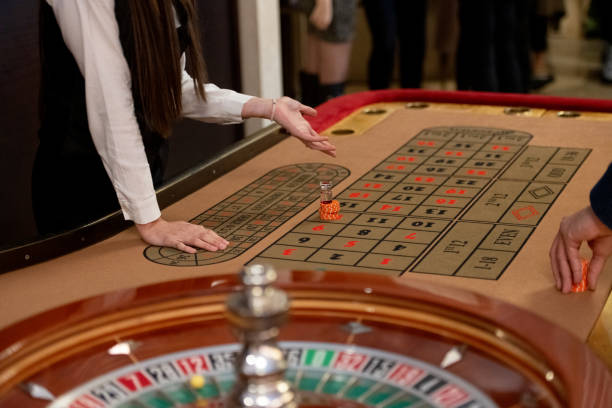
This historical backdrop is essential to understanding contemporary gambling practices. For instance, in many cultures, gambling is tied to rituals and celebrations, making it a communal activity rather than merely a personal vice. This collective aspect reinforces social bonds and reflects a shared cultural heritage, which continues to impact modern gambling behaviors.
Regional Variations in Gambling Practices
Cultural attitudes towards gambling vary significantly from one region to another. In some countries, such as Japan, gambling is largely restricted to specific forms, like pachinko, while in others, like the United States, a more liberal approach allows for a wide array of gambling options, including casinos and online betting. These regional differences are deeply rooted in local customs, laws, and societal values, shaping how people engage with gambling.
Moreover, the acceptance or prohibition of gambling can greatly influence its prevalence. In countries where gambling is legalized and regulated, it often becomes an integral part of the entertainment industry. In contrast, regions where it is frowned upon may see underground gambling activities thrive, emphasizing the complex interplay between culture and legality in shaping gambling habits.
The Role of Religion and Beliefs
Religious beliefs play a significant role in shaping attitudes toward gambling across various cultures. In many religions, gambling is viewed as a vice, associated with greed and moral decay. For instance, Islam strictly prohibits gambling, which shapes the habits of billions of Muslims worldwide. This religious stance influences not only individual behavior but also national policies regarding gambling.
Conversely, some cultures view gambling as a harmless pastime or even a form of entertainment. In cultures where luck and fate are celebrated, such as in parts of Latin America, gambling can be seen as a way to test one’s fortune and engage with the mystical. These divergent views highlight how deeply ingrained beliefs can influence gambling habits and the social acceptance of such activities.
Impact of Technology on Gambling Culture
The rise of technology has dramatically transformed gambling habits globally. The proliferation of the internet has made online gambling accessible to millions, breaking down geographical barriers and allowing individuals to engage with gambling from the comfort of their homes. This shift has also led to the emergence of new forms of gambling, including virtual casinos and mobile gaming apps, which cater to the preferences of a tech-savvy generation.
Furthermore, technology has enhanced the experience of gambling through innovations like live dealer games and virtual reality. These advancements not only make gambling more engaging but also reflect cultural shifts towards convenience and instant gratification. As technology continues to evolve, it will undoubtedly shape future gambling practices and cultural attitudes surrounding them.

Exploring Cultural Trends on This Website
This website serves as a comprehensive resource for understanding the various cultural influences that shape gambling habits across the globe. By exploring different aspects of gambling—from its historical roots to its modern-day practices—we provide valuable insights into how culture and society interact with the world of gaming.
With an emphasis on informative and engaging content, visitors can delve into articles that analyze regional trends, technological impacts, and the role of beliefs in shaping gambling behaviors. By fostering an appreciation for these cultural dynamics, we aim to enhance the understanding of gambling as a multifaceted global phenomenon.

